
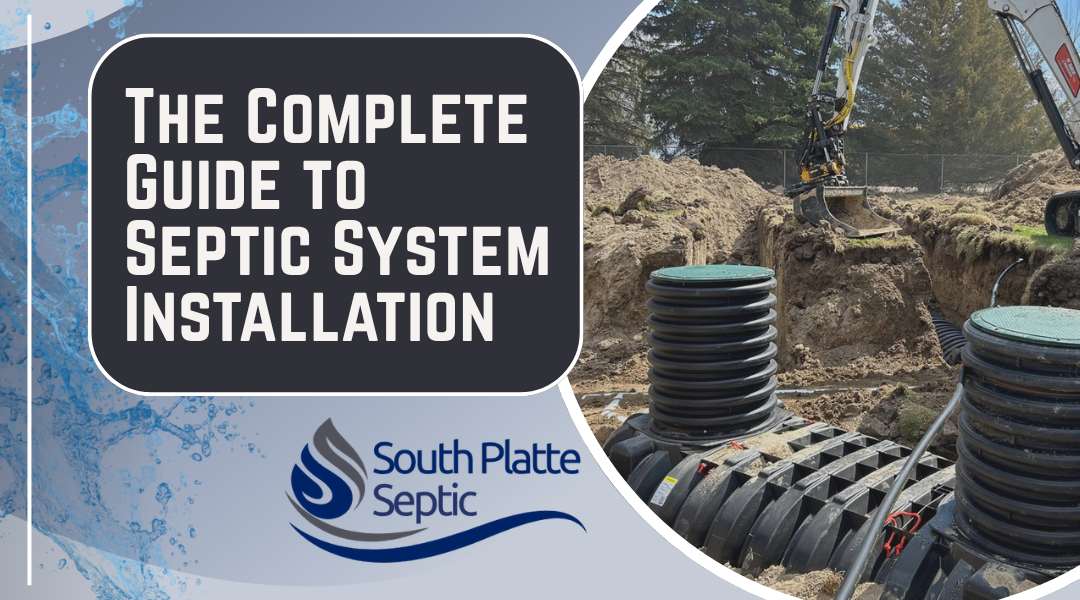
The Complete Guide to Septic System Installation
Whether you’re building a new home, replacing an aging septic system, or developing a rural property, installing a septic system is one of the most important investments you’ll make. A properly designed and professionally installed system provides safe, reliable wastewater treatment for decades while protecting your property, your family’s health, and the surrounding environment.
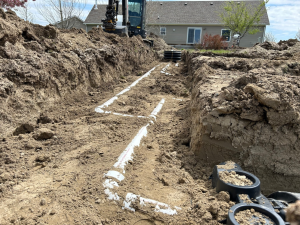
Unlike homes connected to a municipal sewer system, properties with septic systems rely entirely on their own onsite wastewater treatment. That means every step of the installation process—from evaluating the property to designing the system and completing the installation—must be done correctly. Taking shortcuts or choosing the wrong system can lead to expensive repairs, premature failure, and unnecessary headaches.
At South Platte Septic, we specialize in septic installation, septic repair, and septic replacement throughout northeastern Colorado and the Nebraska Panhandle. Whether you’re building on a rural acreage near Sterling, developing property outside Fort Morgan, constructing a home near Sidney, or anywhere throughout our service area, our goal is to provide septic systems designed for long-term performance and reliability.
This comprehensive guide explains the entire septic system installation process, answers the most common homeowner questions, and helps you understand what to expect from the first planning stages through the final inspection.
Table of Contents
- What Is a Septic System?
- How Does a Septic System Work?
- When Do You Need a New Septic System?
- Is Your Property Suitable for a Septic System?
- The Septic System Installation Process
- Choosing the Right Septic System
- Factors That Affect Installation Costs
- How Long Does Installation Take?
- Common Mistakes Homeowners Make
- Why Professional Installation Matters
- Frequently Asked Questions
- Schedule Your Septic Consultation
What Is a Septic System?
A septic system is an onsite wastewater treatment system designed to safely collect, treat, and disperse wastewater generated by your home. Instead of sending wastewater to a municipal sewer treatment plant, your septic system treats it right on your property.
A properly functioning septic system quietly works every day, handling wastewater from sinks, showers, toilets, washing machines, and dishwashers without requiring much attention from the homeowner. When installed correctly and maintained properly, many septic systems provide dependable service for decades.
Although every property is unique, most residential septic systems include three primary components:
Septic Tank

The septic tank is the first stop for wastewater leaving your home. As wastewater enters the tank, solids naturally settle to the bottom while lighter materials, such as grease and oils, float to the surface.
Inside the tank, naturally occurring bacteria begin breaking down organic waste. This separation process allows partially treated wastewater to continue through the system while retaining solids inside the tank.
The septic tank serves as the foundation of the entire system. Proper sizing and placement are essential to long-term performance.
Distribution System
After leaving the septic tank, the partially treated wastewater enters the distribution system.
Depending on your property’s design, this may utilize gravity or a pressure distribution system to evenly move wastewater toward the drain field.
The goal is consistent distribution. Even application helps prevent overloading one section of the drain field while allowing the soil to effectively complete the treatment process.
The type of distribution system selected depends on several factors, including:
- Property slope
- Soil characteristics
- Site layout
- Local regulations
- Overall system design
Choosing the right distribution method is an important part of every septic installation project.
Drain Field
The drain field—sometimes called a leach field or soil treatment area—is where the final treatment occurs.
As wastewater slowly filters through specially prepared trenches and surrounding soil, naturally occurring microorganisms remove remaining contaminants before the water returns safely to the environment.

A properly designed drain field depends on:
- Adequate space
- Appropriate soil conditions
- Proper grading
- Correct installation depth
- Even wastewater distribution
Because the drain field plays such a critical role, protecting it throughout the life of the system is one of the best things a homeowner can do.
How Does a Septic System Work?
Understanding how a septic system works makes it easier to appreciate why professional installation is so important.
Although the system operates almost entirely underground, each component performs a specific job that contributes to safe wastewater treatment.
Step 1: Wastewater Leaves Your Home
Every time you flush a toilet, take a shower, wash dishes, or do laundry, wastewater travels through your home’s plumbing and exits through the main sewer line.
All wastewater flows toward the septic tank.
Step 2: The Septic Tank Separates Waste
Inside the tank, gravity separates wastewater into three layers:
- Scum – oils and grease floating on top.
- Effluent – partially clarified liquid in the middle.
- Sludge – heavier solids settling on the bottom.
Beneficial bacteria naturally begin breaking down organic materials inside the tank.
Only the liquid effluent continues through the system.
Step 3: Effluent Moves to the Drain Field
The clarified wastewater leaves the septic tank and enters the distribution system.
Depending on your property’s design, wastewater either flows by gravity or is pumped to the drain field where it is evenly dispersed throughout specially designed trenches.
Proper distribution prevents localized overloading and allows the system to function as intended.
Step 4: The Soil Completes the Treatment Process
The final stage of treatment happens naturally within the soil.
As wastewater filters through the soil, microorganisms remove bacteria, viruses, and nutrients before the water safely returns to the groundwater system.
This natural treatment process is one of the reasons why proper soil evaluation is such an important step before installing a septic system.
When Do You Need a New Septic System?
Many homeowners assume septic installation is only necessary when building a new home. While new construction is certainly one of the most common reasons, there are several situations where installing a new septic system may be the best solution.
Building a New Home
If your property is not connected to a municipal sewer system, a properly designed septic system is typically required before your home can be occupied.
Planning the septic system early in the construction process helps avoid delays and ensures adequate space for both the home and drain field.
Replacing a Failed System
Over time, older septic systems can reach the end of their useful life. In some cases, repairs may no longer be practical or cost-effective, making replacement the better long-term investment.
Signs that replacement may be necessary include:
- Recurring backups
- Persistent sewage odors
- Standing water near the drain field
- Frequent repairs
- Aging system components
- Significant drain field failure
A professional evaluation can help determine whether repair or replacement is the most appropriate solution.
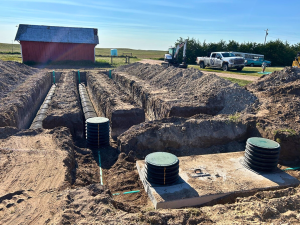
Developing Rural Property
Many rural homes, farms, ranches, and acreage developments throughout northeastern Colorado and the Nebraska Panhandle require onsite wastewater treatment. Whether you’re building a permanent residence, retirement home, or agricultural property, planning for septic installation is an essential part of site development. South Platte Septic is a reliable and trusted rural septic system installation expert. Request a FREE estimate for your next rural project.
Is Your Property Suitable for a Septic System?
Before a septic system can be designed or installed, the property must be carefully evaluated. No two properties are exactly alike, and factors such as soil type, topography, groundwater, property layout, and local regulations all influence the type of system that will work best.
A professional site evaluation helps determine the most appropriate septic system for your property while ensuring the installation meets all applicable state and local requirements.
Throughout northeastern Colorado and the Nebraska Panhandle, properties vary from small residential lots to large rural acreages, farms, and ranches. Understanding the unique characteristics of each site is one of the most important steps in designing a septic system that will perform reliably for years to come.
Soil Evaluation
Soil is one of the most critical factors in septic system design.
Because the soil completes the final treatment of wastewater, its ability to absorb and filter water directly affects how the system is designed.
During the evaluation process, several characteristics are considered, including:
- Soil texture
- Drainage characteristics
- Depth to restrictive layers
- Seasonal groundwater levels
- Available treatment area
Different soil conditions require different system designs. A thorough evaluation ensures the drain field can effectively treat wastewater while protecting groundwater and surrounding properties.
Property Layout
The size and layout of your property also play an important role.
The septic tank and drain field must be located where they have adequate room to function properly while maintaining required setbacks from items such as:
- Homes
- Wells
- Property lines
- Waterways
- Roads and driveways
- Utility easements
Planning these locations early helps avoid conflicts during construction and provides adequate space for future maintenance or repairs if needed.
Site Topography
Elevation changes across the property can influence septic system design.
Steep slopes, low-lying areas, drainage patterns, and natural water flow all affect where a septic system can be installed safely and efficiently.
Proper grading is essential to ensure wastewater moves through the system as designed without creating erosion or drainage issues.
Local Regulations
Every septic installation must comply with applicable regulations and permitting requirements.
Requirements may vary depending on whether the property is located in Colorado or Nebraska, as well as the specific county or local authority having jurisdiction.
Working with an experienced contractor helps ensure the project is designed and installed according to current regulations, minimizing delays and helping the permitting process move more smoothly.
The Septic System Installation Process
Installing a septic system is much more than simply placing a tank in the ground.
A successful installation involves careful planning, engineering, coordination, excavation, and final inspection. Each step builds upon the previous one to create a system designed for long-term performance.
Although every project is unique, the installation process generally follows these stages.
Step 1: Site Evaluation and Planning
Every installation begins with understanding the property.
During the planning stage, information is gathered regarding:
- Property size
- Building location
- Water usage
- Soil characteristics
- Drainage patterns
- Existing utilities
- Future property plans
This information allows the system to be designed specifically for the property’s needs rather than relying on a one-size-fits-all approach.
Proper planning at the beginning of the project often prevents costly changes later.
Step 2: Septic System Design
Once the site has been evaluated, the septic system can be designed.
The design considers several factors, including:
- Number of bedrooms or expected occupancy
- Estimated daily wastewater flow
- Soil conditions
- Drain field size
- Tank capacity
- Distribution method
- Site limitations
The goal is to create a balanced system that handles household wastewater efficiently while providing reliable performance for many years.
Step 3: Permitting
Before construction begins, the necessary permits must be obtained.
Permitting requirements vary depending on the property’s location and governing authority.
Permit approval typically involves reviewing the proposed system design to verify it meets applicable codes and regulations.
Obtaining permits before construction protects homeowners by helping ensure the installation complies with established standards.
Step 4: Excavation
After planning and permitting are complete, excavation begins.
Heavy equipment is used to prepare the site for:
- Septic tank placement
- Sewer line installation
- Distribution piping
- Drain field construction
During excavation, care is taken to minimize unnecessary disturbance to the surrounding property whenever practical.
Proper excavation also helps maintain the elevations and grades necessary for the septic system to function correctly.
Step 5: Septic Tank Installation
Once the excavation is complete, the septic tank is carefully placed in its prepared location.
Proper installation includes verifying:
- Correct elevation
- Level placement
- Secure pipe connections
- Accessibility for future maintenance
- Proper backfill around the tank
A properly installed septic tank serves as the foundation for the entire wastewater treatment system.
Step 6: Installing the Drain Field
The drain field is one of the most important components of the system.
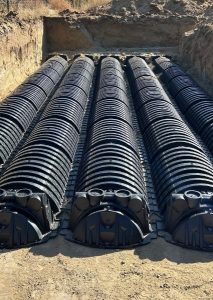 Depending on the approved design, trenches or other approved treatment areas are carefully constructed to allow wastewater to disperse evenly through the soil.
Attention to detail during installation helps ensure:
- Proper trench depth
- Correct spacing
- Even wastewater distribution
- Long-term performance
Because the drain field provides the final stage of wastewater treatment, its construction directly impacts the overall effectiveness of the septic system.
Step 7: Final Connections and Inspection
After all components have been installed, the system is connected and prepared for inspection.
The inspection process verifies that the installation complies with approved plans and applicable regulations.
Once approved, the system is ready for operation.
How Long Does Septic System Installation Take?
One of the most common questions homeowners ask is how long the installation process will take.
The answer depends on several factors, including:
- Property conditions
- System design
- Weather
- Permit timelines
- Inspection scheduling
- Overall project complexity
While the actual installation work may only require a relatively short period of time once construction begins, the planning, permitting, and design stages are equally important and should be included in the overall project timeline.
Starting the planning process early is one of the best ways to help keep your project on schedule.
Choosing the Right Septic System
Not every property requires the same type of septic system.
Selecting the right system depends on several factors identified during the site evaluation and design process.
Some of the considerations include:
- Soil conditions
- Property size
- Household wastewater volume
- Topography
- Local regulations
- Future expansion plans
Choosing the appropriate system helps maximize performance, protect the environment, and reduce the likelihood of costly issues in the future.
An experienced septic contractor can help determine which system is best suited for your property’s unique conditions.
Why Professional Design Matters
A properly installed septic system begins with proper design.
Designing a system involves much more than determining where to place a tank. Every component must work together as a complete wastewater treatment system.
Professional planning helps ensure:
- Proper system sizing
- Efficient wastewater treatment
- Long system life
- Compliance with regulations
- Protection of your property investment
Attempting to shortcut the planning or installation process can lead to premature system failure, unnecessary repairs, and significantly higher long-term costs.
What Affects the Cost of Septic System Installation?
One of the first questions homeowners ask is, “How much does a new septic system cost?” While it’s an important question, the answer varies because every property and every septic system is different.
Rather than focusing on a single price, it’s more helpful to understand the factors that influence the overall investment.
Property Conditions
No two building sites are exactly alike.
The amount of excavation required, the accessibility of the property, grading, and overall site conditions can all affect the complexity of a septic installation.
For example, a flat, easily accessible property may require a different level of preparation than a site with significant elevation changes or limited access for construction equipment.
Soil Characteristics
The results of the site’s soil evaluation help determine the type of septic system that is appropriate for the property.
Different soil conditions may require different drain field designs or system configurations, which can influence the scope of the installation.
Proper soil evaluation helps ensure the system is designed for long-term performance rather than simply meeting minimum requirements.
Size of the Home
Larger homes typically produce more wastewater than smaller homes.
The number of bedrooms, expected occupancy, and anticipated daily water usage all play a role in determining the size of the septic system.
Installing a properly sized system helps ensure reliable performance for many years.
System Design
Not every property requires the same type of septic system.
The final design depends on:
- Soil conditions
- Property layout
- Local regulations
- Household needs
- Site limitations
A customized design helps provide efficient wastewater treatment while protecting the property’s long-term value.
Permits and Inspections
Every septic installation includes permitting and inspections required by the local authority having jurisdiction.
These steps help ensure the system is installed according to applicable regulations and approved plans.
Long-Term Value
Although homeowners often focus on the initial installation cost, it’s equally important to consider the long-term value of a properly designed septic system.
A quality installation can provide decades of dependable service while reducing the likelihood of expensive repairs or premature replacement.
Need help budgeting for your project?
Financing options may be available to help make your septic installation or replacement more affordable.
Common Mistakes Homeowners Make During a Septic Installation Project
Installing a septic system is a significant investment, and careful planning can help homeowners avoid unnecessary expenses and frustration.
Here are some of the most common mistakes we see.
Waiting Until the Last Minute
If you’re building a new home, don’t wait until construction is underway to begin planning your septic system.
Early planning allows adequate time for:
- Site evaluation
- System design
- Permitting
- Scheduling
- Installation
Starting early helps prevent delays that could affect the overall construction schedule.
Choosing a Contractor Based Only on Price
While budget is certainly important, the lowest price doesn’t always provide the best long-term value.
Proper septic installation requires experience, attention to detail, and an understanding of local regulations and site conditions.
Choosing an experienced contractor helps reduce the likelihood of future problems.
Ignoring Future Needs
Your septic system should meet both your current and future needs.
Consider questions such as:
- Will the home be expanded later?
- Will additional bedrooms be added?
- Will there be increased water usage?
- Will additional buildings be constructed?
Planning ahead during installation can help avoid costly modifications in the future.
Driving or Building Over the Drain Field
Once installed, the drain field should remain protected.
Heavy vehicles, structures, swimming pools, and other improvements placed over the drain field can damage underground components and shorten the life of the system.
Protecting this area helps preserve the system’s long-term performance.
Failing to Maintain the System
Even the best-installed septic system requires routine maintenance.
Understanding proper system care from the beginning helps maximize its lifespan and maintain efficient operation.
Why Hiring the Right Septic Contractor Matters
Installing a septic system involves much more than excavation and placing a tank underground.
A qualified septic contractor understands how every component works together to create a complete wastewater treatment system.
Professional installation helps ensure:
- Accurate site evaluation
- Proper system sizing
- Compliance with regulations
- Quality workmanship
- Long-term reliability
Choosing a contractor with experience installing septic systems throughout northeastern Colorado and the Nebraska Panhandle provides the added benefit of familiarity with the region’s diverse property types and local permitting processes.
Why Local Experience Makes a Difference
Every region presents its own unique considerations when designing and installing septic systems.
Throughout northeastern Colorado and western Nebraska, properties range from residential lots within growing communities to large rural acreages, farms, and ranches.
Each project requires careful consideration of factors such as:
- Soil conditions
- Property layout
- Topography
- Groundwater considerations
- Local permitting requirements
- Future property use
Working with a contractor who regularly serves this region helps ensure these factors are considered during the design and installation process.
At South Platte Septic, we proudly serve homeowners, builders, and property owners throughout northeastern Colorado and western Nebraska, including communities such as Sterling, Fort Morgan, Brush, Yuma, Akron, Sidney, Ogallala, Imperial, North Platte, and the surrounding rural areas.
Our focus is on providing septic installation, repair, and replacement services tailored to the unique needs of our region.
Why Homeowners Choose South Platte Septic
Choosing the right septic contractor is about more than simply installing a system.
Homeowners want confidence that the work will be completed professionally, the system will be properly designed, and they’ll have a trusted partner if they ever need future service.
When you choose South Platte Septic, you’re working with a company that is committed to:
- Professional workmanship
- Honest communication
- Quality materials
- Thoughtful system design
- Reliable service
- Long-term customer relationships
Whether you’re building your forever home, developing rural property, replacing an aging septic system, or planning a future construction project, we’re here to help guide you through every step of the process.
Septic System Installation Is an Investment in Your Property
A properly installed septic system provides more than wastewater treatment. It protects your investment. It supports your family’s health. It safeguards the environment. Most importantly, it provides the peace of mind that comes from knowing your wastewater system has been designed and installed correctly from the very beginning. By understanding the installation process, planning ahead, and working with an experienced septic contractor, you can enjoy reliable performance for many years to come.
Frequently Asked Questions About Septic System Installation
How long does a septic system typically last?
A professionally designed and properly installed septic system can provide dependable service for decades. The lifespan depends on factors such as system design, installation quality, household water usage, soil conditions, and routine maintenance. Regular inspections and proper care help maximize the life of your investment.
How long does it take to install a septic system?
Every project is unique, so installation timelines can vary based on permitting, site conditions, weather, and the complexity of the system. While the actual installation is often completed in a relatively short period once construction begins, the planning, design, and permitting process should also be factored into your overall project schedule.
Do I need a permit to install a septic system?
Yes. Septic system installations require permits and inspections through the appropriate local authority. Requirements may vary depending on your property’s location and whether it is in Colorado or Nebraska. Working with an experienced contractor helps ensure your project complies with all applicable regulations.
What size septic system do I need?
The appropriate size depends on several factors, including the size of your home, the number of bedrooms, anticipated daily water usage, soil conditions, and local regulations. A professional site evaluation and system design will determine the proper size for your property.
Can I install a septic system anywhere on my property?
Not always. Septic systems must meet setback requirements from homes, wells, property lines, waterways, and other features. Soil conditions, topography, and available space also influence where the system can be installed safely and effectively.
What happens if my property has challenging soil conditions?
Every property is different. During the site evaluation process, soil characteristics are carefully assessed to determine the most appropriate system design. If standard designs are not suitable, other approved solutions may be considered based on the property’s specific conditions and applicable regulations.
Is septic installation different for rural properties?
Yes. Rural homes, farms, ranches, and acreages often present unique considerations, including larger properties, varying soil conditions, longer utility runs, and future expansion plans. Proper planning helps ensure the system is designed to meet both current and future needs.
Can I finance a new septic system?
Many homeowners choose financing to make septic installation or replacement more manageable. Financing options may be available to qualified applicants.
→ Pre-Qualify For Financing Your New Septic System HERE
Should I repair my septic system or replace it?
The answer depends on the age of the system, the extent of the problem, and the condition of the drain field and other components. In some cases, repairs are appropriate. In others, replacement may provide better long-term value. A professional evaluation can help determine the best solution for your property.
→ Learn more about septic repair services HERE.
→ Learn more about septic replacement services HERE.
How do I get started?
The first step is scheduling a consultation to discuss your property, your project, and your goals. Whether you’re building a new home, replacing an aging system, or planning future construction, an experienced septic contractor can guide you through the entire process—from planning and permitting to installation and final inspection.
Ready to Install a Septic System?
Whether you’re planning a new home, developing rural property, or replacing an existing septic system, choosing the right contractor is one of the most important decisions you’ll make.
At South Platte Septic, we’re committed to providing dependable septic installation, septic repair, and septic replacement services throughout northeastern Colorado and the Nebraska Panhandle. We understand the unique challenges of our region and work closely with homeowners, builders, and property owners to design systems that are built for long-term performance.
If you’re ready to begin your project or would like to discuss your options, we’d be happy to help.
→ Contact South Platte Septic for a FREE Estimate HERE!